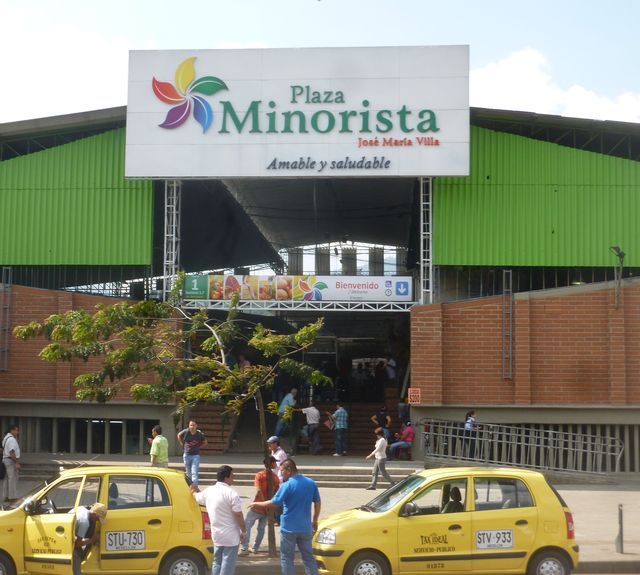
The easy thing to do is to go to your nearest big grocery store and buy everything there. It’s just not the best way to go grocery shopping in Medellín.
That’s why we’re here, to give you tips about how you can find the best deals or specialty items in Medellín.
I used to just go to Exito, every time, but I have found that there are far better places to get what I need, especially now that I’m eating so much that I have to find ways to control a cost that comes to about $400 a month.
Some things are expensive, regardless. Cereal, for example. I eat the original Special K, only that one. I don’t know why, but it’s the only cereal I like enough to eat everyday, sometimes twice a day.
The cheapest I’ve seen a big box of it is 12,150 pesos, or about $6, based on today’s price of the dollar, which is usually lower and therefore costs me at least $7. In the United States, I can get the same box for as little as $3.68.
But let’s move on. I’ll run through where I go depending on what I need.
Meat
Most of the time, you’re better off buying meat anywhere but the major grocery stores.
My favorite places: Colanta, D1, or one of the major farmer’s markets:
At Colanta, I can buy a pound of ground beef for 2,500 pesos (about $1.25). Milk is slightly cheaper too, 2,000 pesos (about $1) for a liter opposed to 2,120 pesos (about $1.10) at a big store.
At D1, I can buy chicken breasts for 8,950 pesos (about $4.50), with the same amount costing about 15,000 pesos (about $7.50) at a major grocery store.
Mac Pollo and Porci Carnes are other butcher shop-type options similar to Colanta, but there are not as many of them. That’s why I usually stick to Colanta for beef and pork, D1 for chicken and chorizo.
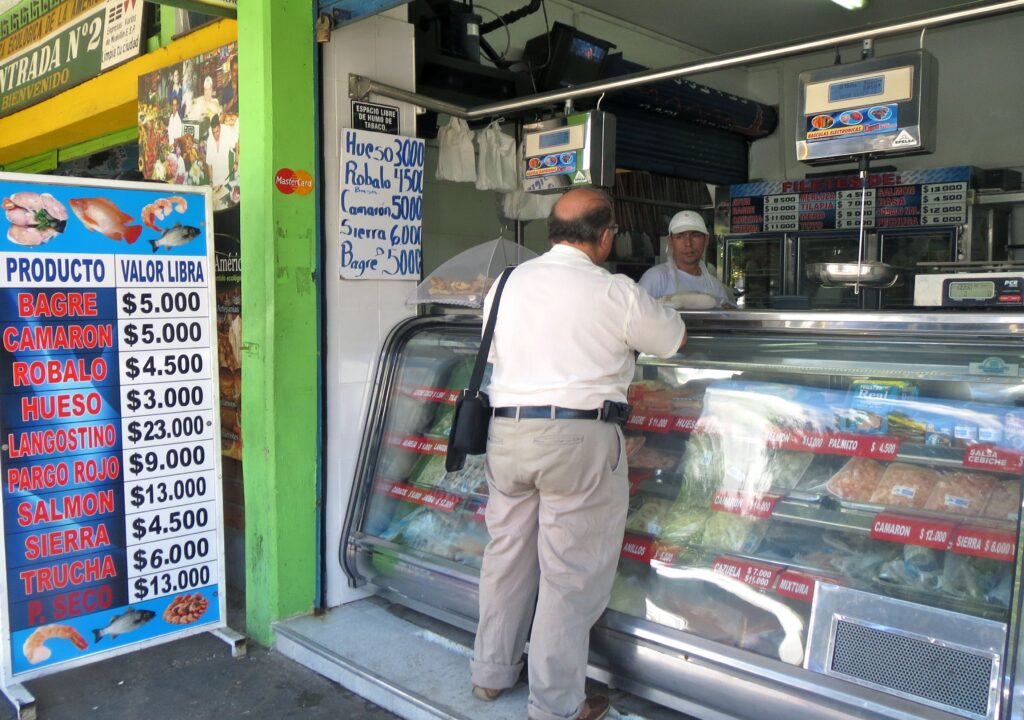
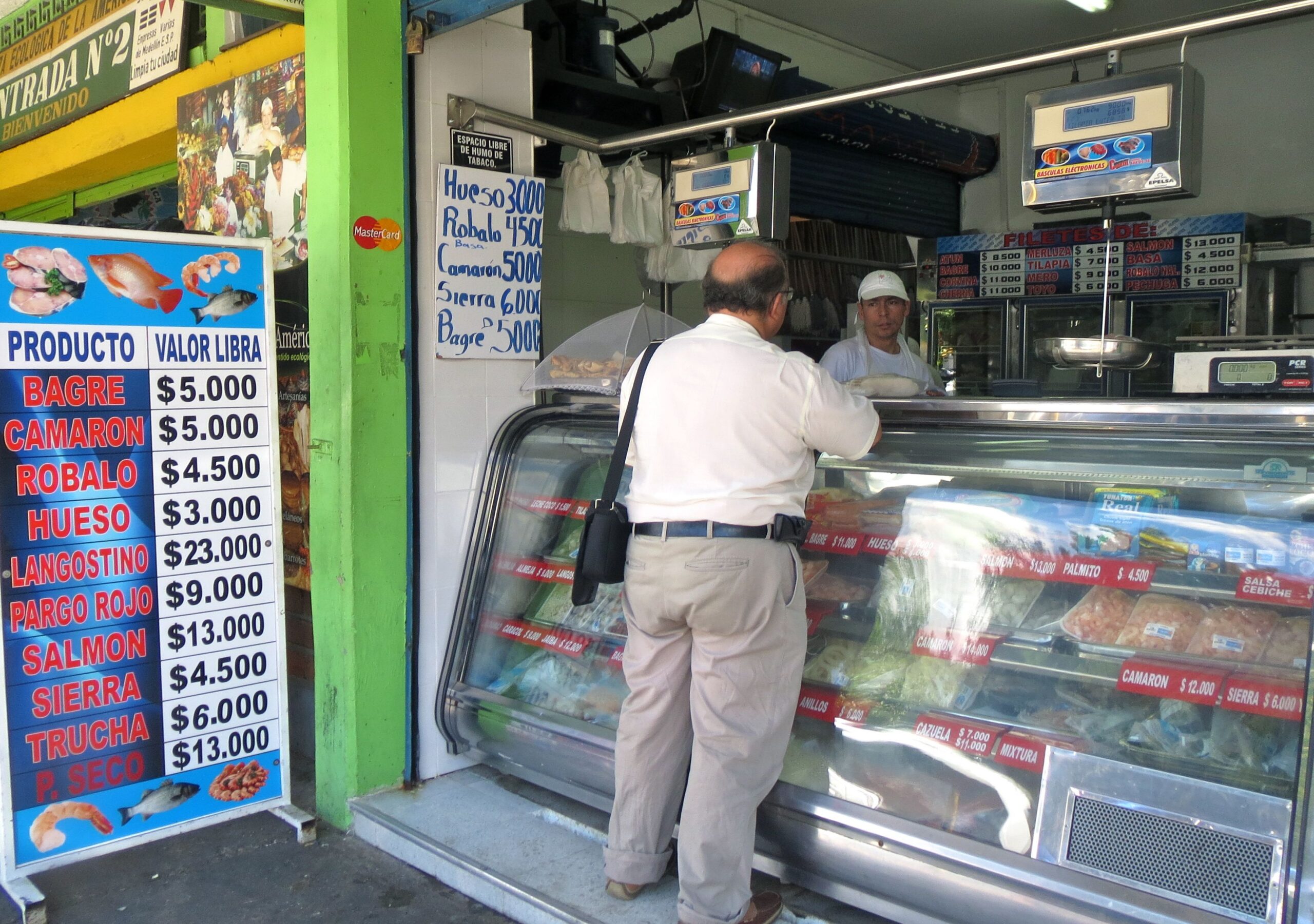
For seafood, I like Mercado La América.
As you can see in the photo, you can get a pound of trout for 6,000 pesos (about $3). That’s a fraction of what it costs at one of the big grocery stores.
Non-Perishables
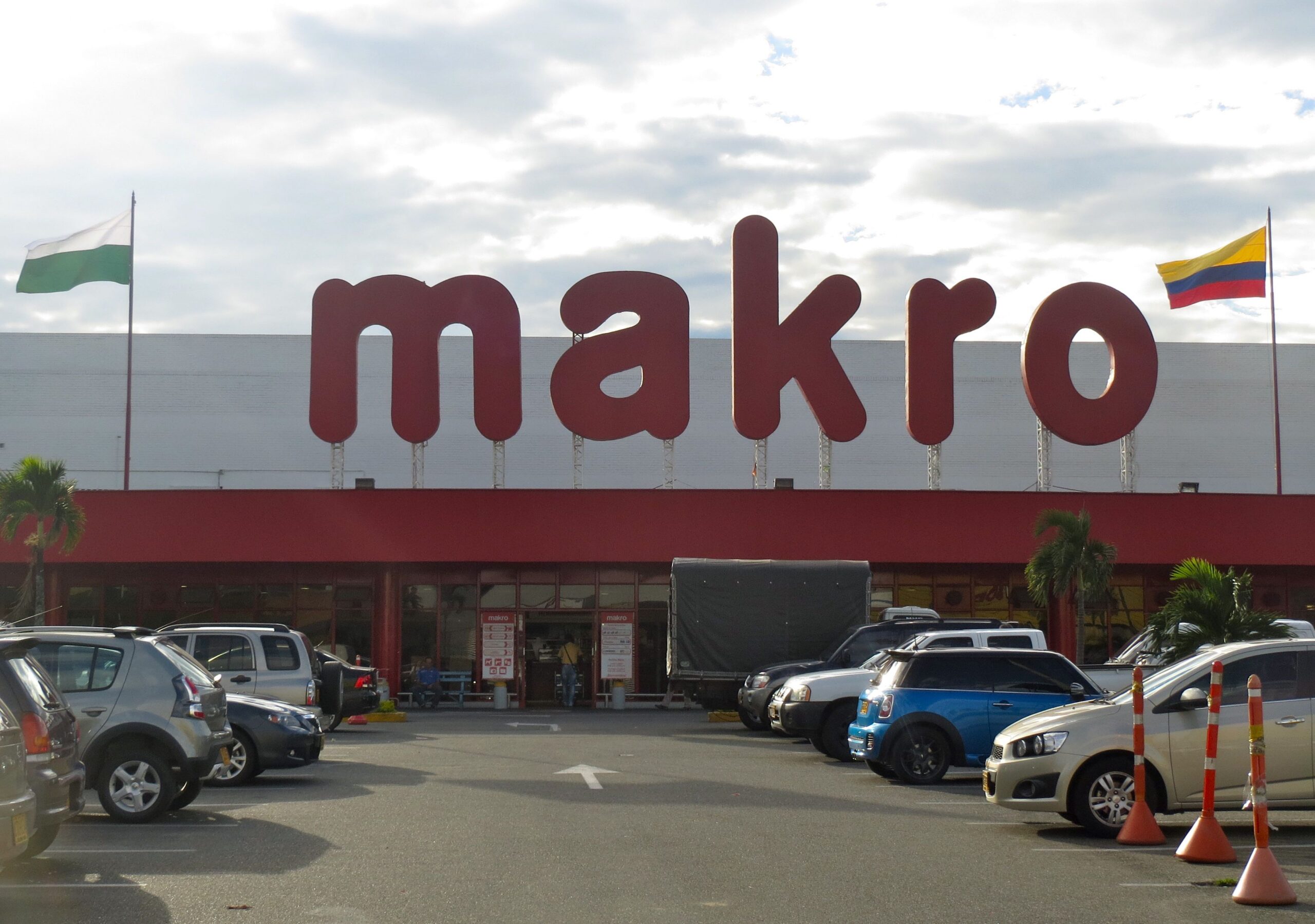
The place for this is Makro. It’s the Costco of Medellín.
You buy in bulk, for a better price.
All you have to do is sign up for a Makro card, which you can do with your ID, cédula or passport.
At Makro I buy toothpaste, toothbrushes, toilet paper, soap, shampoo, mouthwash antipersperant and similar items.
Buying them in packs of two or three can save you up to 2,000 pesos per purchase, sometimes more.
I’ll also buy long-lasting foods such as pasta, granola, cookies and cereal, and when I’m too lazy to make tomato sauce from scratch I’ll get that there as well.
On a recent trip, to shop for a Peruvian arroz con pollo recipe, I found that I can buy a pack of chicken breasts for 20,000 pesos that would cost me at least 24,000 or more at one of the big grocery stores.
The only Makro I know in Medellín is at Carrera 65 and the San Juan, in the Florida Nueva neighborhood near the Estadio and Suramericana Metro stations.
Produce
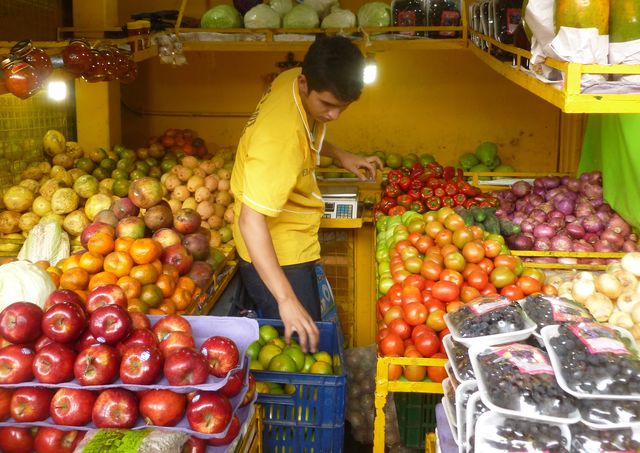
The farmer’s markets I mentioned above are the way to go, if you’re near one. Otherwise, just look for a neighborhood tienda.
You can find fruits and veggies for good prices in these little places, mainly because they don’t have to mark up costs to account for the large percentage the major grocery stores charge suppliers, what I’ve heard can be as high as 70 percent.
That means, for example, a red onion at a tienda or farmers market that costs 200 pesos (about 10 cents) will cost about 800 pesos at a major grocery store.
Only when I cannot find something in the tiendas do I rely on one of the big grocery stores, and in that case, I try to buy my produce at Euro, where on average you’ll save about 33 percent on each item compared with the other big chains, a significant savings over time.
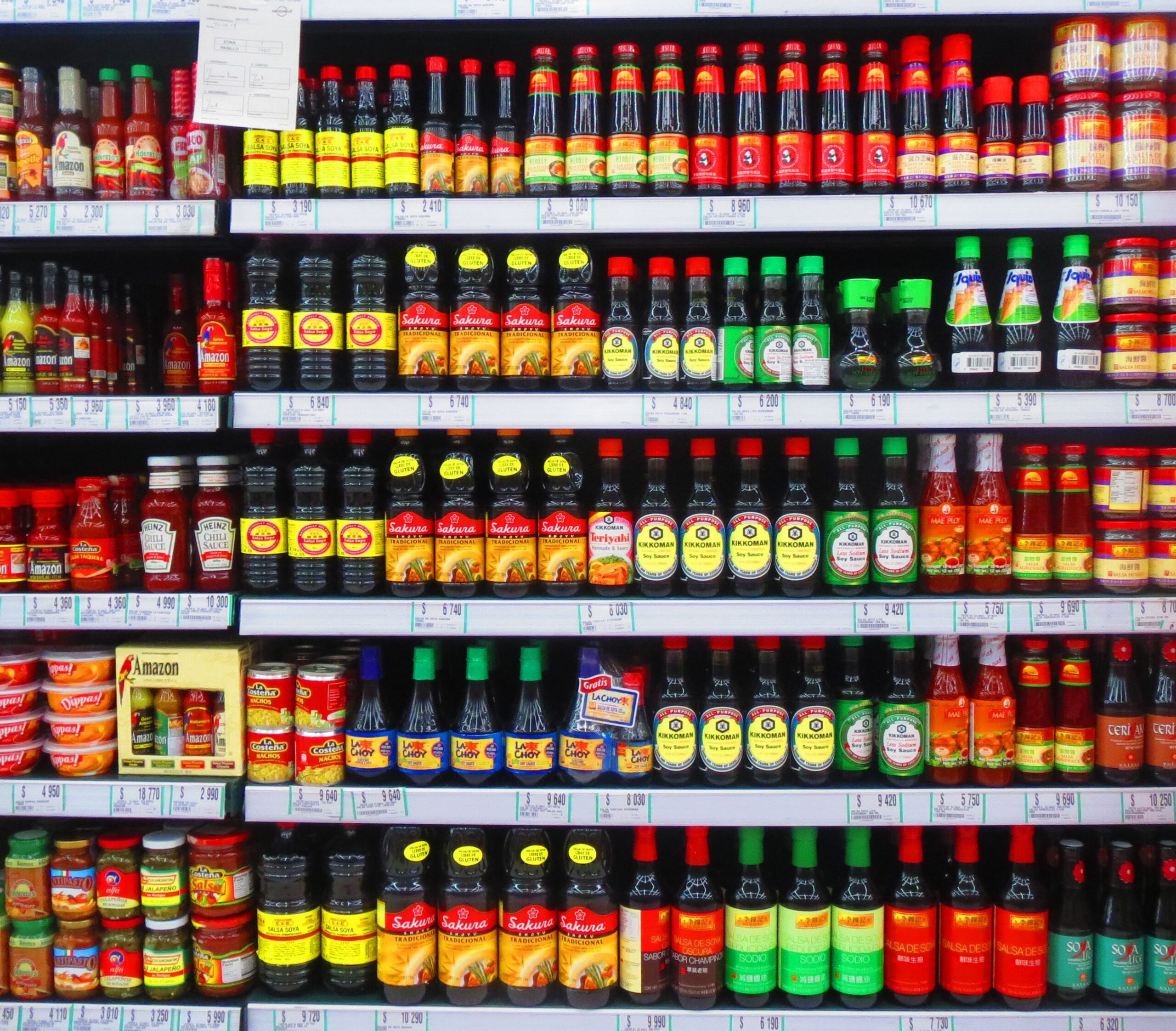
Sauces and Spices
I love cooking creative dishes, entrees that require a fusion of different ingredients from different cultures.
Like cereal, this comes with a hefty cost because the sauces I need are often imported and found only at two places: Carulla and Jumbo.
Carulla is the Whole Foods of Colombia, a posh grocery store with a great variety and grand prices. When I lived in Washington, D.C., we jokingly referred to Whole Foods as Whole Paycheck.
Jumbo, a Chilean chain, occupies the former locations of Carrefour (a French chain), and it is like a Super Target, only without the great prices, especially if you’re buying something imported.
I usually pick up items such as adobo seasoning and oyster sauce here.
A 7-ounce container of adobo seasoning costs 4,777 pesos (about $2.30), compared to $1.26 in the United States. Oyster sauce is a bit more expensive, as a 9-ounce bottle that would cost $2.25 in the states costs about $5 in Medellín.
Signing up for puntos, using your cédula or passport, can save money when there are sales.
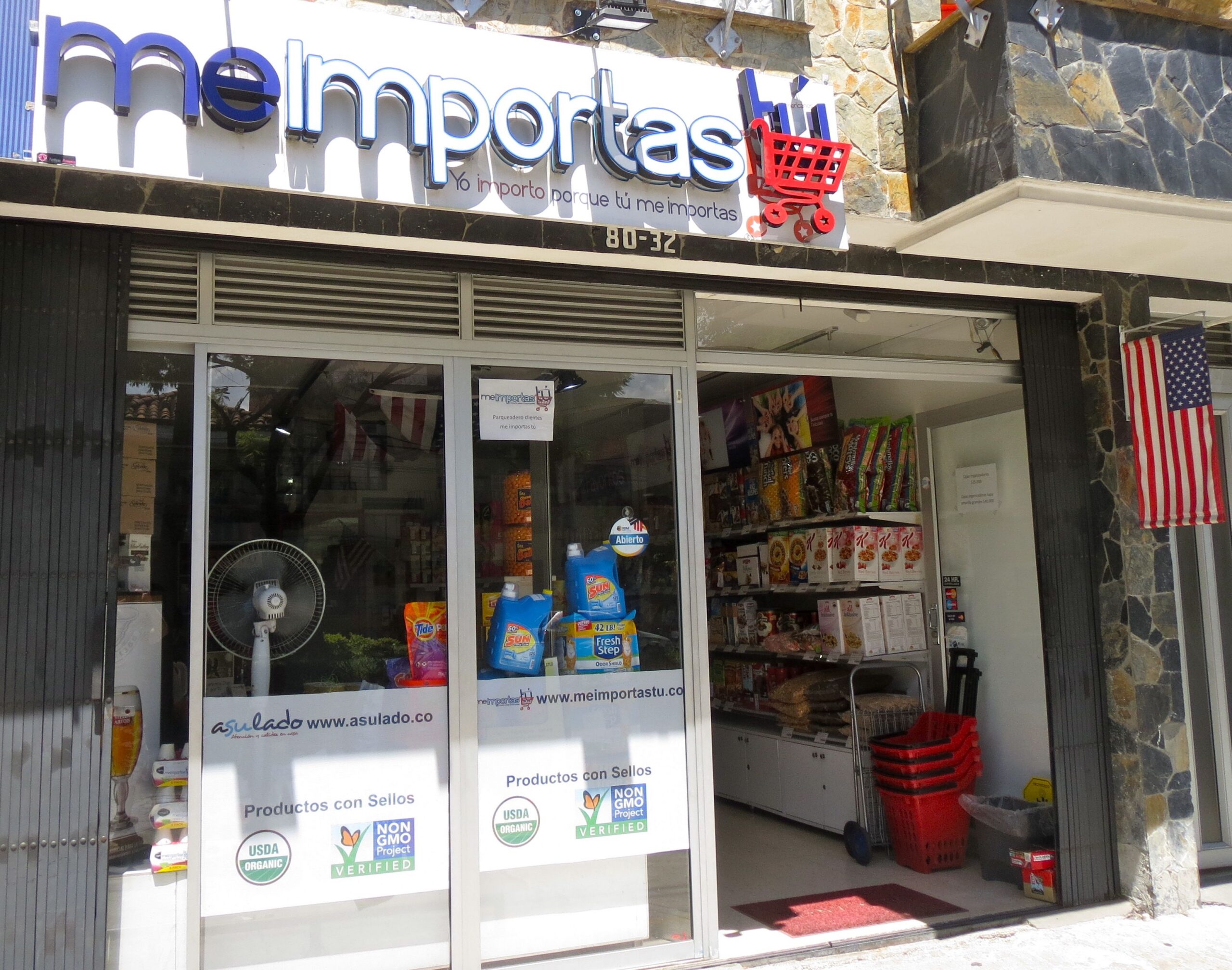
Uncommon U.S. Items
There are products in the United States that are not popular here.
The two that come to mind are breadcrumbs and peanut butter.
I use breadcrumbs in certain American dishes, such as chicken tenders, or Italian dishes, such as chicken parmesan.
A 46-ounce container of breadcrumbs costs 17,000 pesos (about $8.50), which is actually slightly cheaper than in the states, where the same amount of breadcrumbs would cost about $14.
I love peanut butter as a snack, usually with crackers, and I’m confused why more people don’t like it the way we do in the states. That’s fine. More for me.
I know only one place to get these items: Me Importas Tú (Calle 35 #80-32, Laureles).
It’s not cheap.
An 40-ounce jar of Planters peanut butter costs 18,500 pesos (about $9.25), or more than twice the cost in the states.
I’ve heard you can find peanut butter at Carulla now, even at Jumbo, but I haven’t seen it.
Me Importas Tú is the only place I know I can find it, and I have a one-track mind when it comes to food. When I want something, I must have it.
If you live in Medellín too, share your favorite grocery shopping tips in the comments below.