Short on time? Medellin underwent one of the most remarkable urban transformations in Colombia. Once known internationally for violence and instability, the city reinvented itself through innovative public transportation, urban development, education initiatives, and community investment.
Time Out named Medellin as the third best city to visit in 2022 for good reason. Today, it remains a popular travel destination in Latin America, thanks to its pleasant climate, modern infrastructure, and vibrant culture. This city continues to attract digital nomads, expats, entrepreneurs, and tourists worldwide.
If it’s your first time traveling to Medellin, it might be hard to imagine that the city was once considered a dangerous place. In this blog, we’ll talk about Medellín’s journey – from a troubled past to international success – and how it has earned positive impressions among visitors over the years.
Understanding Medellin’s Difficult Past
You would appreciate Medellin’s global transformation if you understood where and how the city started.
During the 1980s and early 1990s, Medellin was widely associated with drug-related violence because of the influence of Pablo Escobar, a notorious leader of the Medellin Cartel. Crime rates were through the roof, and most parts of the city were inaccessible and unsafe.
This negatively affected Medellin’s reputation worldwide. International media often portrayed Medellín as a violent city, overlooking its rich culture, beautiful natural surroundings, and entrepreneurial spirit.
Fortunately, these did not stop the locals. Residents, civic leaders, and local organizations recognized that meaningful change required long-term investment in communities, education, infrastructure, and opportunity. Over the decades, they set out to build a different future.
Social Urbanism for Development
Social urbanism was the main focus behind Medellin’s successful transformation, combining infrastructure projects with social development. Instead of concentrating only in rich neighborhoods, city leaders prioritized underrated districts that lacked resources.
Sergio Fajardo and Alonso Salazar were among the mayors in Medellin during the early 2000s that created impactful reforms. New schools, libraries, parks, public spaces, and cultural centers were built in communities that needed them most. These projects were designed to improve infrastructure and create opportunities for residents.
Tourists today can still see examples of this approach throughout Medellín, particularly in neighborhoods that have undergone significant revitalization over the past two decades.
Comuna 13 Comuna 13 might be the perfect example of Medellin’s evolution. This popular neighborhood was formerly known for conflict and violence. But today, it continues to attract visitors for its outdoor escalators, colorful street art, music performances, and community-led tourism initiatives.
One of the best ways to explore Comuna 13 is taking guided tours that will highlight local artists, history, and social projects.
El Poblado
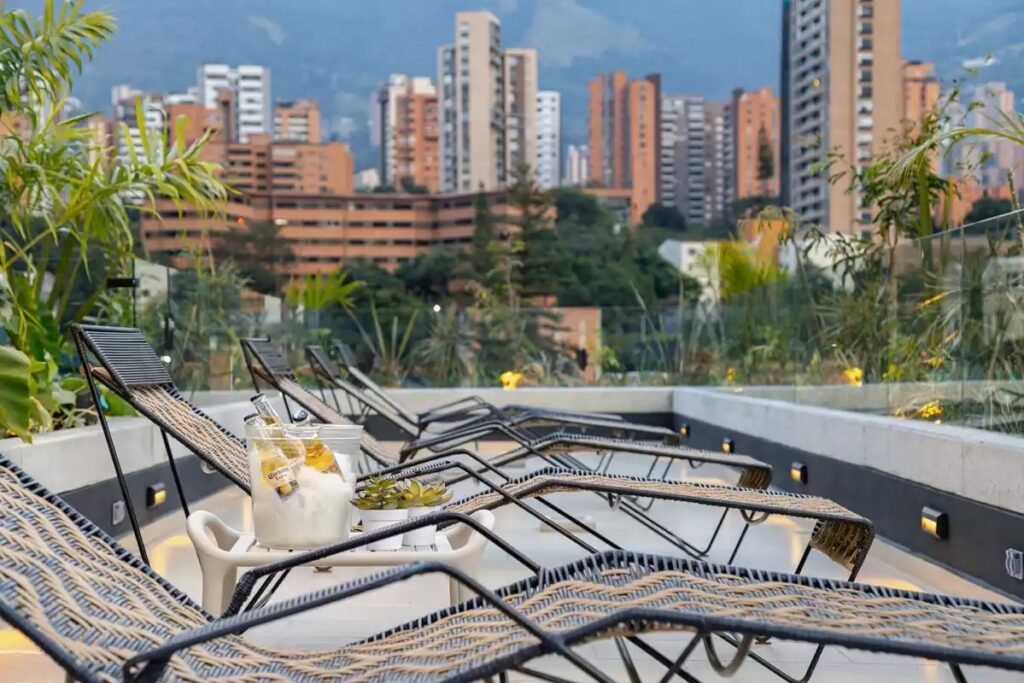
If it’s your first time visiting Medellin, El Poblado should be the first neighborhood you need to stay in. it has emerged as the city’s most internationally-recognized district because of a wide range of restaurants, shopping centers, coworking spaces, and nightlife. Today, El Poblado attracts digital nomads who plan to stay in the city for long.
While El Poblado represents Medellín’s modern and cosmopolitan side, it also showcases the city’s growing role as a global destination.
Laureles Laureles has become the best option for tourists wanting a more local experience. It provides a more relaxed atmosphere with its tree-lined avenues, walkable streets, neighborhood cafes, and parks. These features attract long-term tourists and expats, reflecting the city’s ability to balance international appeal with authentic local character.
The Metro System that Changed Everything
The metro is also another thing to mention when talking about Medellin’s transformation. It opened in 1995 and remains Colombia’s only metro rail system. Today, it’s one of Latin America’s cleanest and most efficient public transportation networks.
The Metro helped improve mobility in Medellin, providing easier access for people to reac different neighborhoods for jobs, education, and services. Over time, this transportation network expanded to include cable cars, buses, and trams. For tourists today, these systems provide an
easy and affordable way to explore Medellín while offering a firsthand glimpse into one of the city’s greatest achievements.
Introducing the Metrocable
One of Medellín’s most innovative developments came with the introduction of the Metrocable system. Unlike traditional cable cars designed primarily for tourism, the Metrocable was built to serve local residents living in the steep hillsides surrounding the city.
There were many communities that struggled with limited transportation options. But when the Metrocable was built, it significantly reduced travel times and improved access to healthcare, work, and schools. The system also paved the way for the neighborhoods to be more interconnected.
Beyond the easier access, many tourists ride the Metrocable to simply admire gorgeous mountain views.
Becoming A Hub for Digital Nomads
Medellin has also evolved to become a top city in Colombia for digital nomads and remote workers. The most common reasons include having a year-round spring-like weather, affordable cost of living compared to Europe and North America, reliable internet, and modern coworking spaces.
Medellin’s strong expat community and remarkable cafes and dining options also contributed to remote workers deciding to stay long term in the city. This growing international community has further boosted Medellín’s reputation as a global city while creating opportunities for local businesses and entrepreneurs.
A Thriving Cultural Scene
Medellin has also developed a vibrant cultural identity that attracts tourists interested in art, music, food, and festivals.
Events such as the annual Flower Festival showcase Medellín’s traditions and community spirit. Museums, galleries, theaters, and public art installations provide visitors with countless opportunities to engage with local culture.
The city’s culinary scene has also flourished, blending traditional Colombian flavors with contemporary international influences.From neighborhood bakeries to upscale restaurants, Medellín offers experiences that appeal to virtually every type of traveler.
The Future of Medellin
Today, Medellín stands as a powerful example of what can happen when cities invest in people, connectivity, and long-term vision.
The transformation did not occur overnight, nor was it the result of a single project or leader. Instead, it emerged from decades of collaboration between residents, public institutions, businesses, and community organizations.
For travelers, Medellín offers more than beautiful weather, trendy cafés, and scenic mountain views. It offers a chance to experience a city that chose reinvention over resignation.
Its story continues to evolve, but one thing is clear: Medellín has earned its place as one of Latin America’s most compelling travel destinations. What was once known primarily for its struggles is now celebrated for its resilience, creativity, and remarkable ability to transform itself into a city that inspires visitors from around the world.