Using Airbnb in Medellín in 2027: What's Legal, What to Check
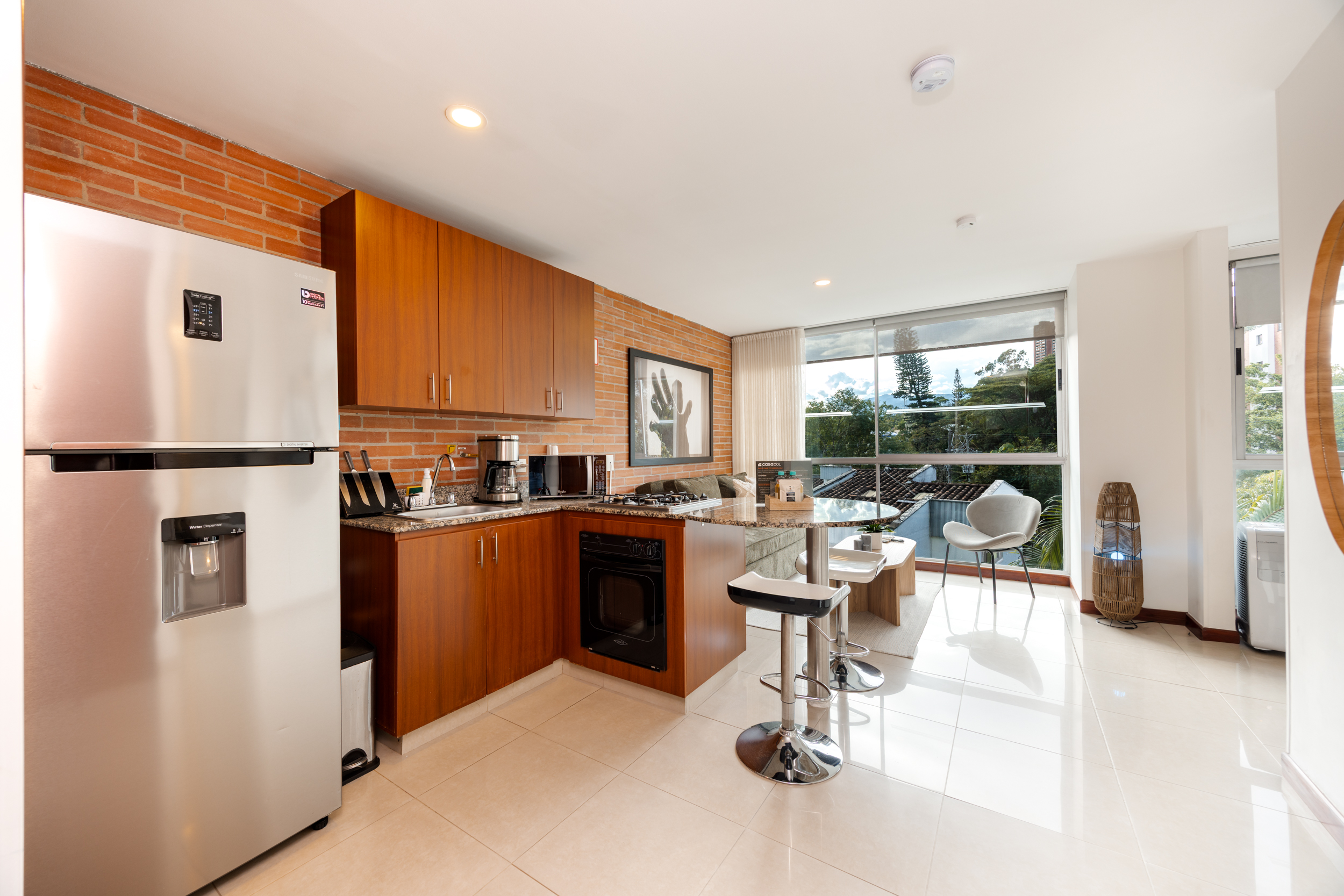
Short on time? Airbnb in Medellín is legal — with conditions that now get enforced. Any stay under 30 days is a vivienda turística and must be registered in the Registro Nacional de Turismo (RNT), the building's rules must expressly allow tourist rentals, and zoning must permit lodging at that address. As a guest, your protection is simple: book listings that show an RNT number, in buildings that visibly host short stays, and expect to register your ID at check-in. Listings that ask you to tell the portero you are "visiting a friend" are telling you the unit is not legal — believe them, and book elsewhere.
The three permissions (why some listings disappear)
Since Ley 2068 de 2020 and Decreto 1836 de 2021, a legal short-term rental needs all three:
- The zone — city land-use rules allow lodging at that address.
- The building — the reglamento de propiedad horizontal must expressly authorise tourist use. Silence is not permission, and many buildings in El Poblado, Laureles and Envigado have banned or restricted short stays by assembly vote since 2023. Building administrators are required to report unauthorised rentals.
- The registration — an active RNT for that unit, renewed every year between 1 January and 31 March, with the number visible on the listing. Platforms are required to remove listings without one.
Enforcement is real and rising: the city reports 408 inspections between 2024 and 2026 with 105 rentals suspended, while registered tourist homes grew from 521 in 2019 to 8,322 in 2026. A cancelled-at-the-door booking in 2027 is most often an enforcement or building action, not a flaky host.
The new POT: approved, not yet in force
In the early hours of 5 November 2026, Medellín's City Council approved the revised POT — the land-use plan meant to run 12 years — by 18 votes to 3, with tourist housing one of its most debated points. The direction is clear: short-term rentals concentrated in high-mix (commercial-corridor) zones and areas near Metro stations, with low-mix residential streets protected, and legally established tourist homes that meet the rules able to keep operating.
What it means for a 2027 booking, precisely: nothing yet, until the mayor signs it and the final text is published — the approved final text had not been published when this guide was researched in November 2026, so any site quoting exact new zone percentages is guessing. Book under today's three-permission rules, and if you are buying or signing a long hosting arrangement, take the zoning question to the city's planning department for an official concepto de uso del suelo rather than relying on a blog — this one included. For stays of a month or more, the cleaner route is the furnished-monthly market in our rent guide, which sits outside the under-30-day tourist regime.
Guest checklist for 2027
- RNT visible on the listing; its absence is the fastest filter there is.
- Building reality check — reviews mentioning portería trouble, "say you're visiting," or cash-to-the-guard workarounds mean the building does not allow it, whatever the host says.
- Expect registration — legal hosts record guest IDs for Migración reporting. A host who wants no ID and cash off-platform is the risk, not the bureaucracy.
- Price sanity — nightly ADR runs roughly 3× by zone (El Poblado at the top, Belén/Envigado far lower). A Poblado price far below the zone usually means the legality corners were the ones cut.
- Know your fallback — for 30+ days, monthly furnished rentals cost 40–60% less than nightly rates and sidestep most of this regime entirely; see also our neighborhoods guide for where those buildings concentrate, and our safety guide for building-security basics.
If you host (or are thinking of buying to host)
Registration is free via the Confecámaras RNT portal but mandatory before operating; non-resident owners pay a flat 35% income tax on Colombian rental income, plus the 2.5-per-thousand tourism contribution, and VAT/ICA obligations apply to the operation. The order of operations is zoning → building reglamento → RNT → listing, and step two is where most foreign buyers get surprised. Check the reglamento before you buy, not after.
This is practical information, not legal advice: the POT’s final published text will govern once signed.